When you consider home security it’s easy to overlook areas that are out of sight, such as your shed and garage. However, it’s crucial to keep these areas secure, protecting them from thieves and reducing the risk of items inside being used to gain entry to your home.
Most sheds are constructed from timber, which is relatively secure if fitted with a high quality lock, but it’s worth considering adding extra security if you leave high value items inside, such as bicycles. If this is the case, you will need to make sure your shed door is at least 44mm thick and can take a BS 3621 mortice sashlock (checking for the kite mark is imperative). Check that the door hinges can’t be lifted out, installing hinge bolts for added security. If you have a smaller shed with a thinner door, you should secure it with a hasp, staple and padlock, using coach bolts instead of screws. You can also improve the security of non-opening shed windows by adding a wire grill or mesh to the inside. Even hanging a net curtain will increase security by making it difficult to see what’s inside. Larger shed windows that can open will need secure window locks, as well as mesh or wire sheeting.
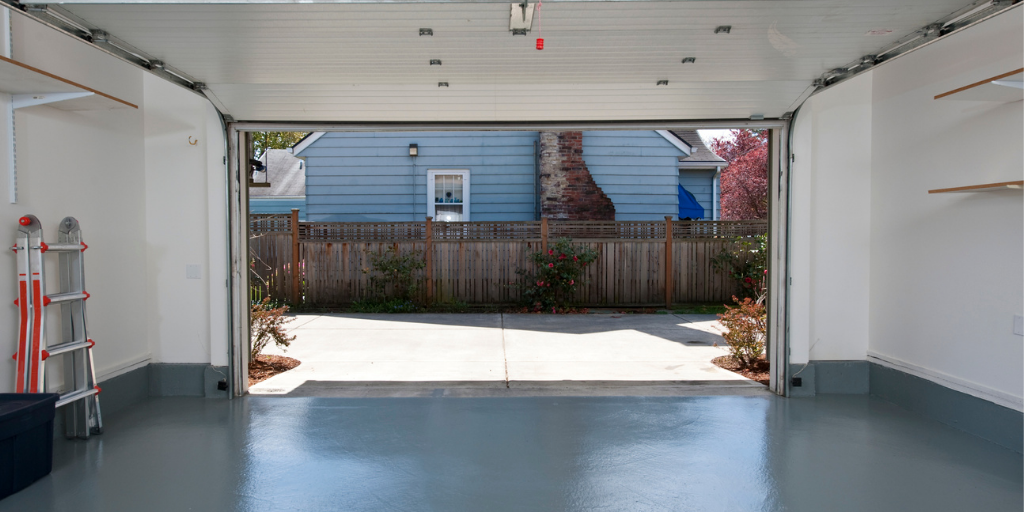
For larger outbuildings, such as steel workshops and garages, similar advice applies — by using appropriate locks for the type of structure you have, you can make breaking-in hard to accomplish. Making it difficult to see what is in the building makes it less likely that a thief will attempt to access the building in the first place. For items of high value within the building, you can purchase tethers and steel boxes that fix to the floor, making them almost impossible to remove. It is not recommended to keep high value items in a greenhouse as they are tricky to secure — keep any gardening tools and equipment inside your secure shed or garage. Add an outbuilding alarm, which will emit an ear-piercing shriek when disturbed, and install movement sensor lighting for added security and peace of mind.