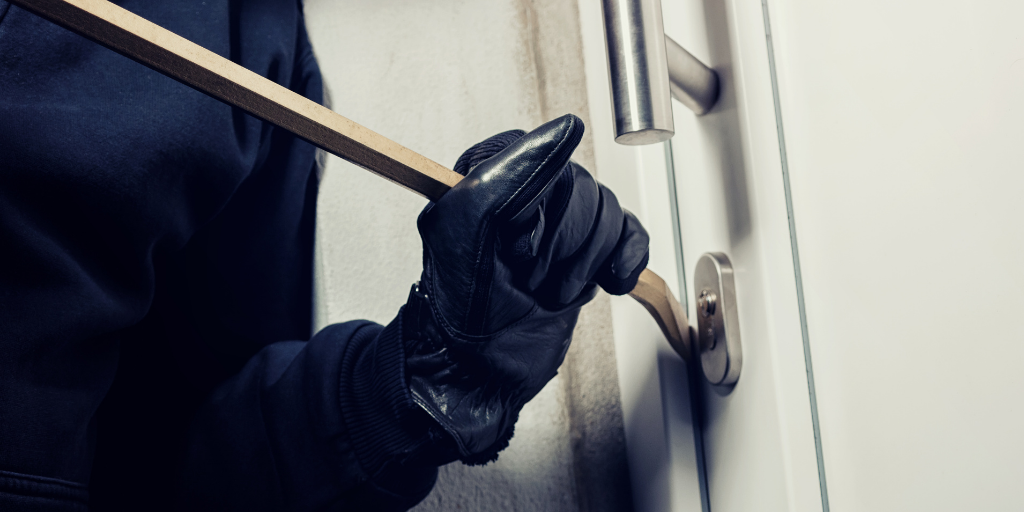
If someone is going to break into your home, it will mostly likely be through the front or back door, accessible garage door, or ground floor window. Knowing how to protect these access points is essential in making your home safer. Read on for some tips as to how to secure your windows and doors.
Older style sash windows are locked with a sliding catch, rather than a key. To keep these secure, ensure they are well-maintained and fit flush against the frames, which will make it difficult for a burglar to lever them open. It’s worth speaking to an expert as there are fittings such as sash stops that can be added to older windows, making them less vulnerable. If you are purchasing newer style sliding sash windows, make sure they are British Standard PAS 24 2012 certified, which offers enhanced security performance.
UPVC windows and doors are generally fitted with locks. Windows, particularly those on the ground floor, should have key operated locks, and it’s worth adding opening restrictors to them, which means they can be opened far enough to ventilate your home, but not far enough to allow anyone to climb in (or out).
Front and back doors usually have one of a few main types of lock, either a 5-lever mortice, usually found on wooden doors; a multi-point locking system, usually fitted to UPVC and composite doors; an automatic deadlatch, usually found on wooden/timber and glass panelled doors, or euro cylinder lock, which is the most common type of lock. There are several websites that will help you identify which type of lock you have, or call in an expert if you are unsure if your lock conforms to British security standards, or if you are concerned it isn’t working correctly.
Take a little time to walk round the outside of your home; have you made it easy for someone to break in by leaving bins or other items close to windows? If so, it’s a good idea to move them to avoid them being used as a step up. Door and window locks are only secure when in use, so check these before you leave the house and when you go to bed each night. Check the type of window and door glass you have and consider upgrading to laminated glass or adding a security film, which adds an extra layer between a burglar and your home.
And do make sure you know which type of locks you have on doors and windows; when you complete your home and contents insurance application, your insurance provider will ask you about these and it’s crucial to provide accurate information to make sure you are covered in the case of a break-in.